


As a seasoned supplier of other finished parts, I often get asked about the production cycle of our products. This is a crucial question for our clients, as it directly impacts their project timelines and overall business operations. In this blog post, I'll delve into the factors that influence the production cycle of other finished parts and provide a general overview of what you can expect.
Understanding the Production Cycle
The production cycle of other finished parts refers to the time it takes from the moment an order is placed to the moment the final product is ready for delivery. This process encompasses several stages, including design, material sourcing, manufacturing, quality control, and packaging. Each stage plays a vital role in ensuring the production of high-quality finished parts that meet our clients' specifications.
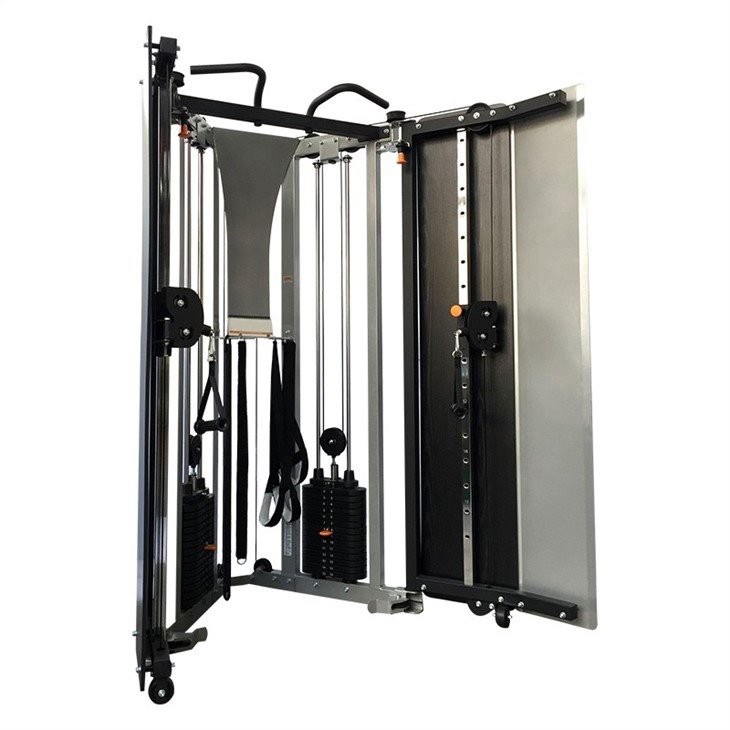

Design Phase
The design phase is the initial stage of the production cycle. It involves collaborating with our clients to understand their requirements and create detailed designs for the finished parts. This process can take anywhere from a few days to several weeks, depending on the complexity of the design and the level of customization required. During this phase, our team of experienced designers uses advanced software and tools to create 3D models and prototypes, allowing our clients to visualize the final product before production begins.
Material Sourcing
Once the design is finalized, the next step is to source the materials needed for production. The time it takes to source materials can vary depending on several factors, such as the availability of the materials, the quantity required, and the location of the suppliers. In some cases, we may be able to source materials locally, which can significantly reduce the lead time. However, for specialized or hard-to-find materials, we may need to source them from overseas suppliers, which can add several weeks or even months to the production cycle.
Manufacturing
The manufacturing stage is where the actual production of the finished parts takes place. This process involves using a variety of manufacturing techniques, such as machining, casting, forging, and molding, to transform the raw materials into the desired shape and size. The time it takes to manufacture the finished parts depends on several factors, including the complexity of the design, the quantity required, and the production capacity of our manufacturing facilities. For simple parts that can be produced in large quantities, the manufacturing process can be completed relatively quickly. However, for complex parts that require precision machining or specialized manufacturing techniques, the production process can take several weeks or even months.
Quality Control
Quality control is an essential part of the production cycle. It involves inspecting and testing the finished parts to ensure that they meet our clients' specifications and quality standards. This process can take anywhere from a few days to several weeks, depending on the complexity of the parts and the level of quality control required. During this phase, our team of quality control experts uses a variety of inspection tools and techniques, such as dimensional inspection, material testing, and functional testing, to ensure that the finished parts are free from defects and meet the required quality standards.
Packaging and Shipping
Once the finished parts have passed the quality control inspection, the next step is to package them for shipping. The packaging process involves protecting the parts from damage during transit and ensuring that they are properly labeled and documented. The time it takes to package the parts depends on the quantity and size of the parts, as well as the shipping method selected. After the parts are packaged, they are ready to be shipped to our clients. The shipping time depends on the destination and the shipping method selected. For domestic shipments, the shipping time can range from a few days to a week. For international shipments, the shipping time can range from a few weeks to several months.
Factors Affecting the Production Cycle
Several factors can affect the production cycle of other finished parts. These factors include:
Complexity of the Design
The complexity of the design is one of the most significant factors that can affect the production cycle. Parts with complex designs require more time and resources to manufacture, which can increase the production cycle. For example, a part with intricate details or a unique shape may require specialized manufacturing techniques or additional machining operations, which can add several weeks or even months to the production cycle.
Quantity Required
The quantity required is another important factor that can affect the production cycle. Parts that are produced in large quantities can often be manufactured more efficiently, which can reduce the production cycle. However, for small quantities, the setup time and cost associated with manufacturing the parts can be relatively high, which can increase the production cycle.
Material Availability
The availability of materials is also a crucial factor that can affect the production cycle. If the materials needed for production are not readily available, it can delay the production process. For example, if a particular type of metal is in high demand or is out of stock, it may take several weeks or even months to source the material, which can significantly increase the production cycle.
Production Capacity
The production capacity of our manufacturing facilities is another factor that can affect the production cycle. If our manufacturing facilities are operating at full capacity, it may take longer to produce the finished parts. However, if we have excess production capacity, we may be able to expedite the production process and reduce the production cycle.
Customization Requirements
The level of customization required is also an important factor that can affect the production cycle. Parts that require a high level of customization may take longer to produce, as they may require additional design work, tooling, or manufacturing operations. For example, a part that needs to be customized to fit a specific application or environment may require additional testing and validation, which can add several weeks or even months to the production cycle.
General Production Cycle Estimates
While the production cycle of other finished parts can vary depending on several factors, I can provide some general estimates based on our experience. For simple parts that can be produced in large quantities, the production cycle can range from a few weeks to a couple of months. For more complex parts that require specialized manufacturing techniques or a high level of customization, the production cycle can range from several months to a year or more.
It's important to note that these are just general estimates, and the actual production cycle may vary depending on the specific requirements of your project. To get a more accurate estimate of the production cycle for your project, I recommend contacting our sales team. They can provide you with a detailed quote and timeline based on your specific requirements.
Examples of Production Cycles for Specific Products
To give you a better idea of the production cycle for different types of other finished parts, I'll provide some examples of specific products and their typical production cycles.
Dumbbell Rack
A Dumbbell Rack is a common fitness equipment accessory used to store dumbbells. The production cycle for a dumbbell rack can vary depending on the design, material, and quantity required. For a standard dumbbell rack made of steel, the production cycle can range from 4 to 6 weeks. This includes the time for design, material sourcing, manufacturing, quality control, and packaging. However, if the dumbbell rack requires custom features or a unique design, the production cycle may be longer.
Training Rack
A Training Rack is a versatile fitness equipment used for various strength training exercises. The production cycle for a training rack can also vary depending on the design, material, and quantity required. For a basic training rack made of steel, the production cycle can range from 6 to 8 weeks. This includes the time for design, material sourcing, manufacturing, quality control, and packaging. However, if the training rack requires advanced features such as adjustable height or multiple stations, the production cycle may be longer.
Adjustable Bench
An Adjustable Bench is a popular fitness equipment used for weightlifting and other strength training exercises. The production cycle for an adjustable bench can vary depending on the design, material, and quantity required. For a standard adjustable bench made of steel and padded with foam, the production cycle can range from 5 to 7 weeks. This includes the time for design, material sourcing, manufacturing, quality control, and packaging. However, if the adjustable bench requires custom features such as a unique shape or a high level of comfort, the production cycle may be longer.
Conclusion
In conclusion, the production cycle of other finished parts can vary depending on several factors, including the complexity of the design, the quantity required, the material availability, the production capacity, and the customization requirements. As a supplier of other finished parts, we understand the importance of meeting our clients' project timelines and delivering high-quality products on time. That's why we work closely with our clients to understand their requirements and provide them with a detailed quote and timeline based on their specific needs.
If you're interested in purchasing other finished parts for your project, I encourage you to contact our sales team. They can provide you with more information about our products, pricing, and production cycle. We look forward to working with you and helping you achieve your project goals.