


Powder coating is a popular finishing process widely used in various industries, including the manufacturing of electrical components. As a powder coating supplier, I've witnessed firsthand the growing interest in understanding how this coating method impacts the conductivity of electrical parts. In this blog, we'll delve into the science behind powder coating and its effects on electrical conductivity, exploring both the challenges and opportunities it presents.
Understanding Powder Coating
Powder coating is a dry finishing process that involves applying a fine powder to a surface, which is then cured under heat to form a hard, durable finish. Unlike traditional liquid paints, powder coatings do not contain solvents, making them more environmentally friendly and providing a more uniform and long - lasting finish. The powder is typically made of a mixture of resin, pigments, and additives, and it can be applied using electrostatic spray guns or fluidized beds.
The process begins with the preparation of the surface, which may involve cleaning, degreasing, and sometimes Zinc - plating to enhance adhesion. Once the surface is ready, the powder is electrostatically charged and sprayed onto the component. The charged powder particles are attracted to the grounded surface, ensuring an even coating. After spraying, the coated part is placed in an oven, where the powder melts and fuses together to form a continuous film.
The Basics of Electrical Conductivity
Before we discuss how powder coating affects conductivity, it's important to understand what electrical conductivity is. Electrical conductivity is the measure of a material's ability to conduct an electric current. It is determined by the number of free electrons in the material and their mobility. Metals are generally good conductors because they have a large number of free electrons that can move easily through the lattice structure.
Insulators, on the other hand, have very few free electrons, and their electrons are tightly bound to their atoms. This makes it difficult for an electric current to flow through them. Materials like rubber, plastic, and glass are examples of insulators.
How Powder Coating Affects Conductivity
Powder coatings are typically insulators. The resin and additives used in powder coatings are designed to form a non - conductive layer on the surface of the component. When a powder coating is applied to an electrical component, it creates a barrier between the conductive material of the component and the external environment.
Reduction in Conductivity
The most obvious effect of powder coating on electrical components is a reduction in conductivity. If the coating is applied over a conductive surface, such as a metal wire or a circuit board trace, it will prevent the flow of electric current through the coated area. This can be a problem in applications where electrical conductivity is essential, such as in power transmission lines or electronic circuits.
However, in some cases, this reduction in conductivity can be beneficial. For example, in electrical enclosures, powder coating can provide insulation to prevent short - circuits and protect the internal components from electrical interference.
Impact on Surface Resistance
Powder coating also affects the surface resistance of electrical components. Surface resistance is the resistance to the flow of electric current along the surface of a material. A powder - coated surface will have a much higher surface resistance compared to an uncoated metal surface.
This increase in surface resistance can be both an advantage and a disadvantage. In applications where static electricity needs to be dissipated, a high surface resistance can be a problem. On the other hand, in applications where electrical isolation is required, a high surface resistance can be beneficial.
Thermal Conductivity
In addition to electrical conductivity, powder coating can also affect the thermal conductivity of electrical components. Thermal conductivity is the ability of a material to conduct heat. A good thermal conductor can transfer heat quickly, which is important in applications where heat dissipation is critical, such as in electronic devices.
Powder coatings are generally poor thermal conductors. When a powder coating is applied to a component, it can act as a thermal barrier, reducing the rate of heat transfer from the component to the surrounding environment. This can lead to overheating in some applications, which can damage the component and reduce its lifespan.
Overcoming Conductivity Challenges
Despite the potential negative effects on conductivity, there are ways to overcome these challenges when using powder coating on electrical components.
Selective Coating
One approach is to use selective coating. Instead of coating the entire component, only the non - critical areas are coated. For example, in a circuit board, the areas around the components can be coated to provide protection, while the conductive traces are left uncoated to maintain electrical conductivity.
Conductive Powder Coatings
Another solution is to use conductive powder coatings. These coatings contain conductive additives, such as carbon black or metal particles, which allow them to conduct electricity. Conductive powder coatings can be used in applications where both electrical conductivity and the benefits of powder coating, such as corrosion resistance and durability, are required.
Post - Coating Treatments
Post - coating treatments can also be used to improve the conductivity of powder - coated components. For example, a thin layer of conductive material can be applied over the powder coating to provide a conductive path. This can be done using techniques such as sputtering or electroplating.
Applications of Powder Coating in Electrical Components
Despite the challenges related to conductivity, powder coating is still widely used in the electrical industry. Here are some common applications:
Electrical Enclosures
Powder coating is commonly used to coat electrical enclosures. The coating provides protection against corrosion, scratches, and environmental factors. It also provides electrical insulation to prevent short - circuits and protect the internal components.
Transformers
Transformers are another application where powder coating is used. The coating can protect the transformer from moisture, dust, and other contaminants, while also providing some electrical insulation.
Switchgear
Switchgear components are often powder - coated to improve their durability and corrosion resistance. The coating can also provide insulation to prevent electrical arcing.
Conclusion
Powder coating can have a significant impact on the conductivity of electrical components. While it generally reduces electrical and thermal conductivity, there are ways to overcome these challenges through selective coating, the use of conductive powder coatings, and post - coating treatments.

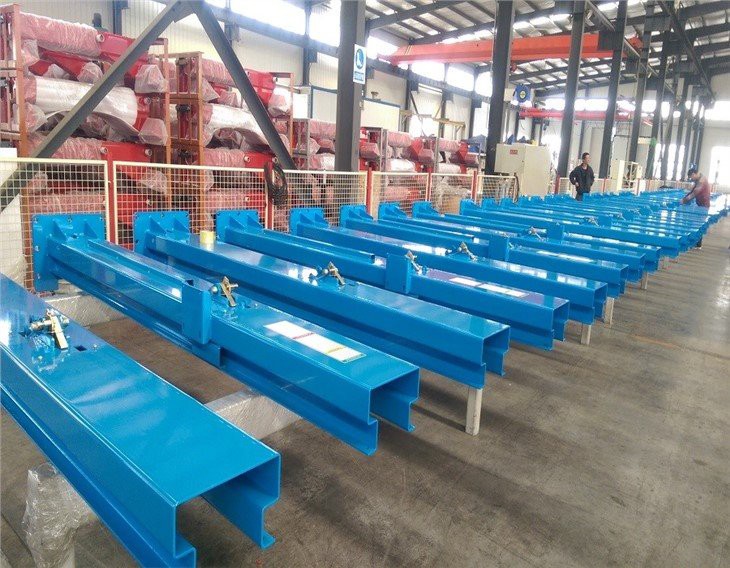
As a Powder Coating supplier, we understand the unique requirements of the electrical industry. We offer a range of powder coating solutions, including conductive coatings, to meet the specific needs of our customers. Whether you need to protect your components from corrosion, improve their durability, or maintain electrical conductivity, we can help.
If you're considering powder coating for your electrical components or have questions about how it might affect conductivity, we'd love to hear from you. Contact us to discuss your project and explore the best powder coating options for your needs.
References
- "Powder Coating Technology" by Thomas M. Schoff.
- "Electrical Engineering Handbook" by Richard C. Dorf.
- Research papers on the effects of powder coating on electrical and thermal conductivity from academic journals.