


Hey there! As a supplier in the powder coating industry, I often get asked, "Can I do powder coating at home?" Well, let's dive right into this topic and find out if it's a feasible DIY project or better left to the pros.
First off, let's understand what Powder Coating is. Powder coating is a type of coating that is applied as a free - flowing, dry powder. Unlike conventional liquid paint, it doesn't need a solvent to keep the binder and filler parts in a liquid suspension form. Instead, it's electrostatically charged and sprayed onto the surface to be coated. Once applied, the coated part is heated, causing the powder to melt and form a smooth, durable finish.
The Pros of Home Powder Coating
Cost - Savings
One of the biggest draws of doing powder coating at home is the potential cost - savings. If you have a few small items that need coating, buying a basic powder coating kit can be much cheaper than paying a professional service for each piece. You can find starter kits online for a relatively low price, which usually include a powder gun, a power supply, and some sample powders.
Customization
Doing it yourself gives you complete control over the process. You can choose from a wide range of powder colors and finishes that might not be readily available at a commercial powder coating shop. From high - gloss to matte, metallic to neon, the options are almost endless. This allows you to create unique, one - of - a - kind finishes on your projects.
Learning Experience
Powder coating at home is a great learning opportunity. You get to understand the science behind the process, from how the electrostatic charge works to how the powder melts and cures. It's a hands - on experience that can be both educational and fun. You can experiment with different techniques and learn from your mistakes without the pressure of a professional job.
The Cons of Home Powder Coating
Equipment and Space Requirements
To do powder coating properly, you need some specialized equipment. Besides the powder gun and power supply, you'll also need an oven or a curing booth to heat the coated parts. If you're working with large items, you'll need a big enough oven, which can be expensive and take up a lot of space. And let's not forget about the spraying area. You need a well - ventilated space to prevent the inhalation of powder particles, which can be harmful to your health.
Quality Control
Achieving a professional - looking finish at home can be challenging. It takes a lot of practice to get the right amount of powder coverage and a smooth, even finish. Factors like humidity, temperature, and the material of the item being coated can all affect the final result. Commercial powder coating shops have the experience and equipment to control these variables and ensure a high - quality finish every time.
Safety Concerns
Powder coating involves working with electricity, flammable powders, and high temperatures. There are significant safety risks if proper precautions aren't taken. The powder particles can be explosive in certain concentrations, and the curing ovens can reach high temperatures that can cause burns or start fires. You need to wear appropriate safety gear, such as gloves, goggles, and a respirator, and follow all safety guidelines.

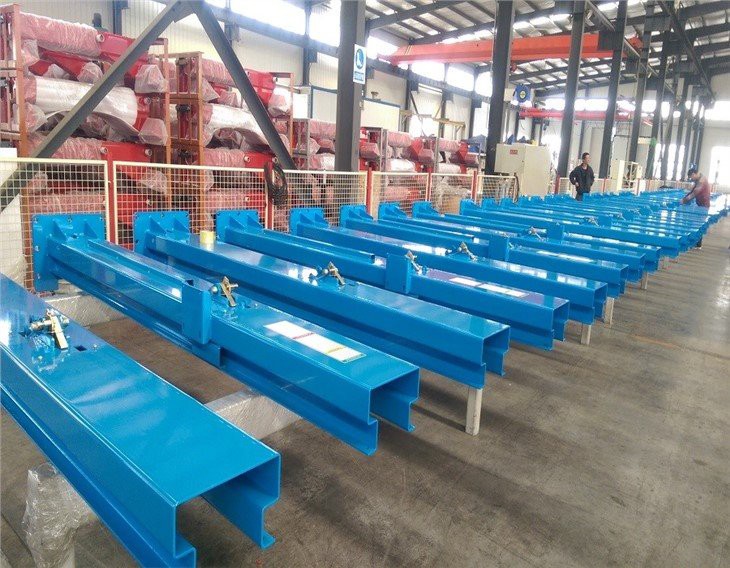
The Home Powder Coating Process
Preparation
The first step in powder coating is preparing the surface. This involves cleaning the item thoroughly to remove any dirt, grease, or rust. You can use solvents, degreasers, or sandblasting to achieve a clean surface. If the item has any previous coating, it may need to be stripped off. A good surface preparation is crucial for the powder to adhere properly.
Masking
If there are areas of the item that you don't want to be coated, you'll need to mask them off. You can use masking tape, plugs, or caps to cover these areas. Make sure the masking is done carefully to prevent any powder from getting on the protected areas.
Spraying
Once the item is prepared and masked, it's time to start spraying. Connect the powder gun to the power supply and adjust the settings according to the type of powder and the item being coated. Hold the gun at a consistent distance from the surface and move it in a smooth, even motion. Apply multiple thin coats rather than one thick coat for a better finish.
Curing
After spraying, the item needs to be cured. Place it in the oven or curing booth and heat it to the recommended temperature for the specific powder you're using. The curing time can vary from a few minutes to an hour or more. It's important to follow the powder manufacturer's instructions for the best results.
Alternatives to Home Powder Coating
If you decide that home powder coating isn't for you, there are other options available. One alternative is Zinc - plating. Zinc - plating is a process where a layer of zinc is applied to a metal surface to protect it from corrosion. It's a relatively simple and cost - effective process that can be done at home with some basic equipment. However, it doesn't offer the same range of colors and finishes as powder coating.
Another option is to take your items to a professional powder coating shop. They have the experience, equipment, and expertise to ensure a high - quality finish. While it may cost more than doing it at home, you'll get a professional result without the hassle and risks associated with a DIY project.
Conclusion
So, can you do powder coating at home? The answer is yes, but it's not without its challenges. If you have the time, space, and willingness to learn, it can be a rewarding DIY project. However, if you're looking for a high - quality, professional finish, or if you're working with large or complex items, it might be better to leave it to the experts.
As a powder coating supplier, I'm here to support you whether you choose to do it at home or go with a professional service. We offer a wide range of high - quality powder coatings and can provide you with all the information you need to make the right decision. If you're interested in purchasing our products or have any questions about powder coating, feel free to reach out to us for a procurement discussion.
References
- Powder Coating Institute: General information on powder coating processes and best practices.
- Various powder coating product manufacturers' technical data sheets for specific product information.